
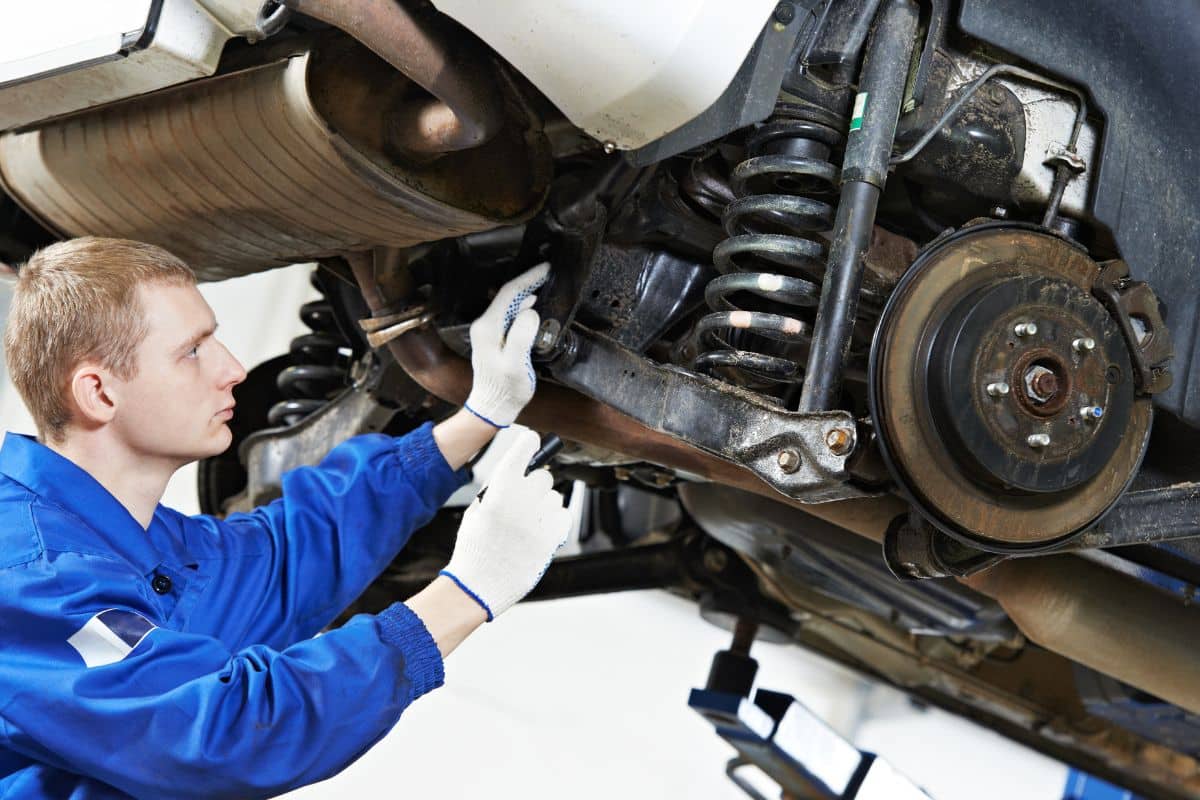
Your McLaren doesn’t have regular springs and shocks. Instead, it has one of the most innovative hydraulic suspension systems ever made: Proactive Chassis Control (PCC). The technology uses hydraulic actuators at each corner to change the ride height and stiffness in milliseconds. It does this with amazing accuracy, controlling body roll, pitch, and handling characteristics.
This is the technology that makes your McLaren feel so good. It has razor-sharp handling, rock-solid balance, and a surprisingly comfortable ride even when you’re going fast. The suspension reacts faster than any other mechanical arrangement since it can change the damping up to 1,000 times per second. This makes the “magical” mix of control and smoothness that McLaren owners anticipate.
But having a lot of parts can make things harder. According to industry data, 15–20% of McLarens have problems with their hydraulic suspension before they reach 100,000 miles. Many owners also have warning lights, leaks, or accumulator failures. Knowing the signs and symptoms early on can save you thousands of dollars in maintenance and keep your McLaren running as it should.
Common causes of McLaren suspension problems
- Hydraulic leaks: Hoses, seals, and fittings can get old, fracture, or break, which can cause pressure to drop and the system to act strangely. We’ve tracked hydraulic leaks to about 40% of McLaren suspension repair cases in our shop.
- Failed accumulators are the gas-charged spheres that hold pressure. They lose performance with time and are a commonly worn item on McLaren PCC systems. You usually need to replace them every several years.
- Sensor or ECU errors: Level sensors and ride-height sensors might break or get wet, which sends faulty data to the control unit and causes problems.
- Worn mechanical components: Bushings, ball joints, and control arms wear down from stress and can make clunks, uneven tire wear, or alignment difficulties.
- Manufacturing/age issues: Even well-made parts wear out over time, and certain models have reported that their hydraulic parts wear out sooner than planned.
Warning Signs That Demand Immediate McLaren Suspension Repair
- Dashboard “Suspension Failure / PCC Error” message or a persistent warning light.
- The car sits low on one corner or sags after being parked.
- Harsh, bouncy, or overly stiff ride (system stuck in the wrong mode).
- Unusual clunking or rattling over bumps, or increased body roll in corners.
- Uneven tire wear or steering pull.
Owners say that these warnings don’t always stay on. Sometimes restarting the device clears the message for a short time, but the problem comes again. Reports from the forum and threads from owners support this.
The Real Cost of Delayed McLaren Suspension Repair in Las Vegas
Let’s speak about money, because knowing how much it would cost to ignore McLaren suspension problems would make you want to do something:
Escalating Repair Costs
- Early intervention (minor leak or sensor): $800-2,500
- Moderate issues (accumulator replacement): $2,000-5,000
- Major hydraulic system repair: $5,000-10,000
- Complete system overhaul (multiple failures): $10,000-15,000+
We’ve seen McLaren owners convert a $1,500 battery replacement into a $12,000 nightmare by ignoring active warnings and driving anyhow. The hydraulic pump has to work extra hard to make up for system failures, which eventually leads to its own destruction and the destruction of other parts.
Secondary Damage
Failed suspension creates a cascade of problems:
- Uneven tire wear requiring premature replacement ($2,000+ for performance tires)
- Damage to wheel bearings and drivetrain components
- Compromised handling that puts your safety at risk
- Potential frame damage from excessive stress
The right diagnostic approach (what a good shop does)
- Full read of ECU and suspension modules — pull stored faults and live-data stream.
- Hydraulic pressure and leak test — identify low-pressure zones and visible leaks.
- Sensor/function tests — verify ride-height, level sensors, and wiring harness integrity.
- Mechanical inspection — bushings, arms, bearings, and wheel alignment check.
- Targeted repair plan — replace only what’s necessary, and re-evaluate after repairs.
At Quality Star Benz and Bimmer, we use factory-level diagnostics, McLaren-specific repair methods, and OEM parts whenever possible. This way, we don’t have to guess, and customers don’t have to come back as often.
Preventive tips: how to avoid being stranded
- Service hydraulic fluid & inspect accumulators on schedule. To keep the ride quality, many experts say that you should replace accumulators on PCC systems every three to four years.
- Don’t ignore early warnings — a suspension problem that you put off fixing can turn into a more expensive hydraulic or component repair.
- Stay away from rugged off-road areas and hard curb hits because they can harm the hydraulic lines and accumulators.
- Every year, a professional should examine the hoses, fittings, sensors, and pressures, even if there are no problems.
Typical fixes we perform at Quality Star Benz and Bimmer (Las Vegas)
- Full PCC hydraulic leak diagnosis, pressure testing, and line replacement.
- Accumulator replacement and system recharge (we recommend replacing all accumulators in a pack when one fails for best behavior).
- Sensor replacement and ECU recalibration.
- Mechanical suspension refresh: bushings, arms, and alignment to restore handling.
We support McLaren owners with dedicated service lanes, OEM-sourcing, and technician training to ensure your supercar stays super.
McLaren Suspension Issues? Get Expert Help at Quality Star Benz and Bimmer
A warning light, a difficult ride, or a hydraulic leak are all signs that your McLaren’s suspension is having problems. If you don’t fix them, they might cost you a lot of money. The best strategies to preserve your McLaren handling the way it was designed to are to have it checked out early and serviced on time.
Since 2008, our ASE-certified experts at Quality Star Benz and Bimmer have been fixing high-performance European cars, including McLaren supercars. We use OEM parts, follow McLaren’s repair steps, and find problems with great accuracy. If you notice strange things happening with your ride or just want to get your suspension checked as a precaution, call 702-396-4216. We’ll make sure your McLaren stays sharp, responsive, and ready to hit the road.
FAQs
Q: What should I do if my McLaren shows a “Suspension Failure” warning?
A: Pull over when safe, restart the car to see if the warning returns, then book immediate diagnostic testing with a specialist. Driving further can aggravate leaks or damage accumulators.
Q: How often should accumulators be inspected/replaced?
A: Many shops recommend inspecting accumulators every 2–4 years and replacing them at the first sign of wear. Replacing the full set often restores consistent behavior.
Q: Can hydraulic leaks be fixed without replacing major parts?
A: Yes — some leaks are hose or seal related and are repaired quickly. But you need a pressure test to be sure the system is sound.
Q: Will aftermarket parts work on McLaren hydraulic systems?
A: Some high-quality aftermarket parts exist, but OEM or OEM-equivalent accumulators/hoses and calibrated sensors paired with proper bleeding and diagnostics are the safest route.
Q: Is a McLaren suspension fault a safety concern?
A: Potentially yes — poor damping or incorrect ride height affects handling. Avoid high-speed driving until a specialist inspects the car.